Nationwide Heavy Haul and Vehicle Transport

Boat Shipping South Carolina, SC
  • Home
  • Blog
  • How Much Does Classic Car Transport Cost?

How Much Does Classic Car Transport Cost?

Boat Shipping South Carolina, SC
How Much Does Classic Car Transport Cost?

Classic car transport cost usually ranges from $600 to $3,000 in 2026, with enclosed shipping commonly costing 30% to 60% more than open transport. A cross-country enclosed shipment often costs $1,500 to $3,000 or more. Short enclosed moves can start near $600.

The final price depends heavily on distance and trailer type. Vehicle condition can raise it further. A rare collector vehicle may also need specialized loading equipment.

Paying more for enclosed transport can make financial sense when minor cosmetic damage would be expensive to repair. The key is knowing which protection your vehicle actually needs before comparing quotes.

What Is the Average Classic Car Transport Cost?

Classic car shipping usually costs $600 to $2,500 with standard open transport in 2026. Enclosed service increases that amount by roughly 30% to 60%. Current enclosed estimates range from about $600 for shorter routes to $3,000 or more for long-distance transportation.

Current market ranges provide a useful starting point:

Distance Open transport Enclosed transport
Under 500 miles $350 to $890 $600 to $1,000
500 to 1,500 miles $700 to $1,400 $900 to $1,900
1,500 to 2,000 miles $750 to $1,500 $1,200 to $2,300
More than 2,000 miles $950 to $1,900 $1,500 to $3,000+

Recent 2026 pricing research places open cross-country transport near $1,000 to $1,900. Enclosed service on a similar long route can reach $1,500 to $3,000 or more.

The classic car shipping cost should therefore be judged against the transport method. A $1,700 enclosed quote cannot be compared fairly with a $1,200 open quote.

A useful insider insight is that expensive classic cars do not always cost dramatically more to move. Physical dimensions affect trailer space more directly than vehicle value.

How Does Distance Change the Shipping Price?

Distance increases the total price while the rate per mile usually decreases. Open transport below 500 miles can cost roughly $1.25 to $2.50 per mile. Long-distance open transportation above 1,500 miles may fall near $0.55 to $0.95 per mile.

A 400-mile shipment could cost $700.

That equals $1.75 per mile.

A 2,000-mile shipment could cost $1,400.

That equals only $0.70 per mile.

The longer trip still costs twice as much in total. Its mileage rate is much lower because loading work is spread across more distance.

Enclosed transport follows a similar pattern. A recent 2026 pricing guide places enclosed rates around $1.50 to $2.00 per mile below 500 miles. Routes above 1,500 miles can fall near $1.00 to $1.30 per mile.

Distance Example enclosed rate Example planning total
400 miles $1.75 per mile $700
800 miles $1.45 per mile $1,160
1,500 miles $1.20 per mile $1,800
2,500 miles $1.05 per mile $2,625

These examples show the pricing progression rather than guaranteed quotes.

The classic car transport market also changes with trailer availability. Two similar routes can receive different rates when one has fewer specialty carriers available.

Is Enclosed Transport Worth the Extra Cost?

Enclosed transport is usually worth considering when road debris or weather exposure could create an expensive cosmetic loss. It generally costs 30% to 60% more than open shipping. A cross-country enclosed move can reach about $1,500 to $3,000 in 2026:

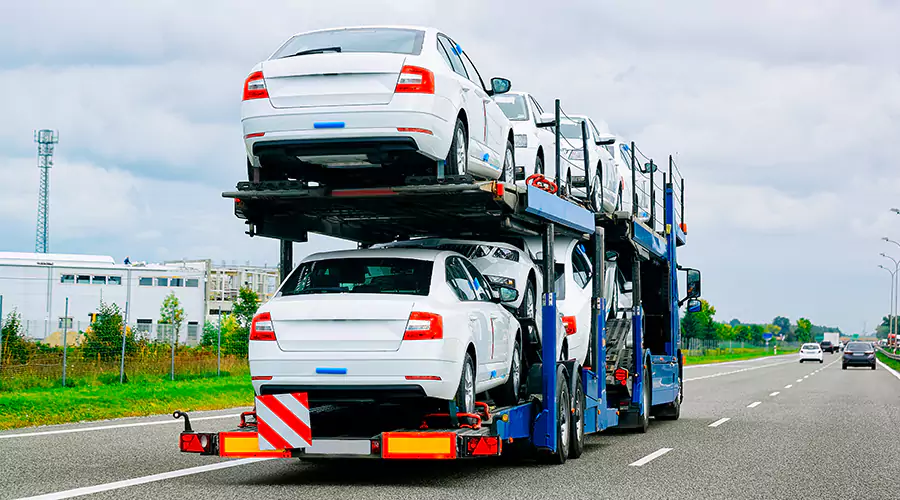
  • Open carriers move several vehicles on exposed trailers. The method is widely used for ordinary vehicle shipping.
  • Enclosed carriers place the car behind covered walls. They also carry fewer vehicles in many configurations.
  • Current research places average enclosed shipping around 40% above open service in some comparisons. Another 2026 national pricing source states that enclosed transport can add 50% or more.
  • Enclosed classic car transport makes the most sense when the vehicle has rare paint or difficult-to-replace exterior trim.
  • A restored car with ordinary ground clearance may still load normally. A low race-inspired classic can require liftgate equipment.

The price difference should be compared with repair risk. Paying $500 more becomes reasonable when a damaged original body panel could cost far more to restore.

What Makes Classic Car Shipping More Expensive?

Classic car shipping becomes more expensive when the vehicle requires enclosed equipment or special loading. Inoperable condition can increase the amount further. Urgent pickup reduces carrier options. Vehicle dimensions can also change the trailer configuration needed for safe transportation.

Vehicle Condition

An operable classic can move onto the trailer under its own power.

An inoperable car may need a winch.

Current specialty transport pricing places a typical non-running premium near $150 to $300.

Tell the transporter if the transmission cannot enter neutral. Locked brakes need different equipment.

Ground Clearance

Low cars can scrape on ordinary loading ramps.

A hydraulic liftgate keeps the loading platform more level. This setup can protect long front overhangs.

Measure the lowest front point before requesting a quote.

Vehicle Dimensions

Older vehicles can have unusual proportions.

A wide collector car may use more deck space. An early truck can create added height.

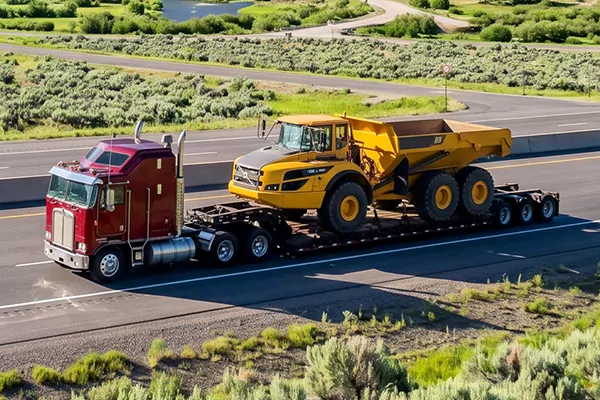
Provide actual measurements when the vehicle has been modified. Similar dimensional planning is important for heavy equipment hauling, where equipment height, width, weight, and available deck space can directly affect the trailer selected for transportation.

Trailer Type

Hard-sided enclosed trailers provide strong exterior protection.

Premium collector transport can cost more when the trailer carries fewer vehicles. Some services also use specialized suspension equipment.

The right trailer depends on the shipment. Similar specialized equipment is also used in construction equipment transport, where trailer capacity, dimensions, loading method, and ground clearance must be considered carefully.

Pickup Timing

A flexible window gives dispatchers more carrier options.

Guaranteed pickup can cost extra because the available carrier pool becomes smaller.

Plan early when the car must reach an auction or scheduled event.

How Does Open Transport Compare With Enclosed Transport?

Open transport provides the lowest common price while enclosed transport provides more exterior protection. A 2,500-mile standard open shipment averages about $1,406 in current national pricing data. Enclosed transportation can add 50% or more to a comparable vehicle shipment.

Feature Open transport Enclosed transport
Typical price Lower 30% to 60% higher
Weather exposure Yes Greatly reduced
Road debris exposure Higher Lower
Trailer availability Higher Lower
Best fit Standard classics High-value classics
Loading equipment Standard ramps common Liftgates more available

A daily-driven older car can often use open transport without paying for enclosed service.

A freshly restored collector car presents a different risk. Small paint damage can be expensive to correct.

Classic car shipping should therefore match the condition of the vehicle rather than its age alone.

A forty-year-old project car may not need enclosed shipping. A twenty-five-year-old collector model with original paint might benefit from it.

What Warning Signs Should You Check Before Booking?

Classic vehicle transport requires closer quote review because specialty handling can create extra charges. Warning signs include missing federal registration and unclear trailer details. A transporter should explain whether it is acting as a broker or carrier before you release the vehicle.

Check these ten warning signs:

  • The trailer type is missing: Confirm open or enclosed service in writing.
  • The vehicle condition is wrong: An inoperable car needs the correct loading equipment.
  • The quote is far below similar offers: Ask what the price excludes.
  • The business identity is unclear: Determine who will physically transport the car.
  • Federal registration cannot be verified: Check the current USDOT record and operating authority through FMCSA.
  • The assigned carrier is unknown: Confirm the legal business before pickup.
  • Insurance details are unavailable: Ask for current cargo coverage information.
  • The car's value is never discussed: Review whether the cargo limit is appropriate for the vehicle.
  • The bill of lading shows another amount: Resolve the difference before releasing the car.
  • The driver lacks suitable loading equipment: Stop when clearance creates a visible risk.

FMCSA began assigning USDOT numbers more broadly to regulated entities in 2026. The agency is considering phasing out separate MC numbers but that change has not replaced existing MC records.

Claims about the best classic car transport companies should never replace federal verification.

How Can You Check a Classic Car Shipping Quote Yourself?

You can test a classic car quote by comparing its total with current 2026 distance ranges. Confirm whether the estimate uses open or enclosed transport. Then inspect vehicle condition details. Compare three written estimates that use the same trailer type and pickup window.

Start with these steps:

  • Calculate the highway mileage.
  • Select open or enclosed transportation.
  • Match the mileage with the current cost range.
  • Add any non-running charge.
  • Compare three equivalent quotes.

Suppose an enclosed 1,000-mile quote is $1,500.

That figure fits within current 2026 specialty ranges of roughly $900 to $1,900 for routes between 500 and 2,000 miles.

A $600 enclosed quote for the same trip would deserve closer review.

Do not assume a higher quote is automatically better.

The classic car movers you compare should describe the trailer and loading method in writing.

Check the pickup window as well. A flexible estimate should not be compared directly with guaranteed pickup.

When Should You Call a Professional Transporter?

Professional transport guidance becomes useful when a classic has low ground clearance or cannot run. It also matters when original bodywork is difficult to replace. A specialist can determine whether liftgate loading or enclosed equipment is appropriate before a carrier is assigned.

Contact a professional when the vehicle has locked brakes.

Ask for equipment review when the car has a long front overhang.

A newly restored car may benefit from enclosed service even when it runs normally.

Compare classic car transport companies by their planned equipment. Federal authority should also be verified before pickup.

Some classic car shipping companies use multi-car enclosed trailers. Others may arrange smaller specialty equipment.

Ask for the carrier's cargo insurance information.

Confirm the policy limit before releasing a high-value vehicle.

Professional guidance is particularly useful when the car's declared value exceeds ordinary cargo limits.

The best transport setup should protect the vehicle without adding equipment that provides little practical benefit.

How Can You Prevent Damage and Extra Charges?

You can reduce transport problems by preparing the classic one week before pickup. Clean the exterior and photograph existing damage. Measure low-clearance areas. Report mechanical problems before dispatch. These steps can prevent a trailer mismatch or a disputed condition report at delivery.

Use this preparation schedule:

  • Two weeks before pickup: Compare matching transport estimates.
  • One week before pickup: Confirm the car starts and brakes normally.
  • Three days before pickup: Clean the exterior for inspection.
  • One day before pickup: Photograph the full vehicle.
  • Pickup day: Review the bill of lading before signing.

Remove loose accessories from the interior.

Secure removable exterior trim when appropriate.

Do not fill the fuel tank unless the carrier specifically requests it. A lower fuel level reduces unnecessary transported weight.

Keep the battery charged when the vehicle needs power to release the parking brake.

A $20 to $40 wash and basic preparation can make condition documentation easier. That small expense is minor compared with repairing damaged specialty paint.

The classic car transportation services you evaluate should receive identical vehicle information. Different inputs produce unreliable price comparisons.

Classic car transport interstate shipments also require current carrier verification when federal operating authority applies.

Conclusion

Classic car transport cost commonly ranges from $600 to $3,000 in 2026. Enclosed shipping usually costs 30% to 60% more but gives collector vehicles greater exterior protection. Distance and loading requirements shape the final rate. Compare identical written quotes and verify current federal records before booking. This week, measure your car's ground clearance and decide whether open or enclosed transport fits its condition.

YOU MAY ALSO LIKE

Need Help?

One call solves it all.

Get Instant Quote